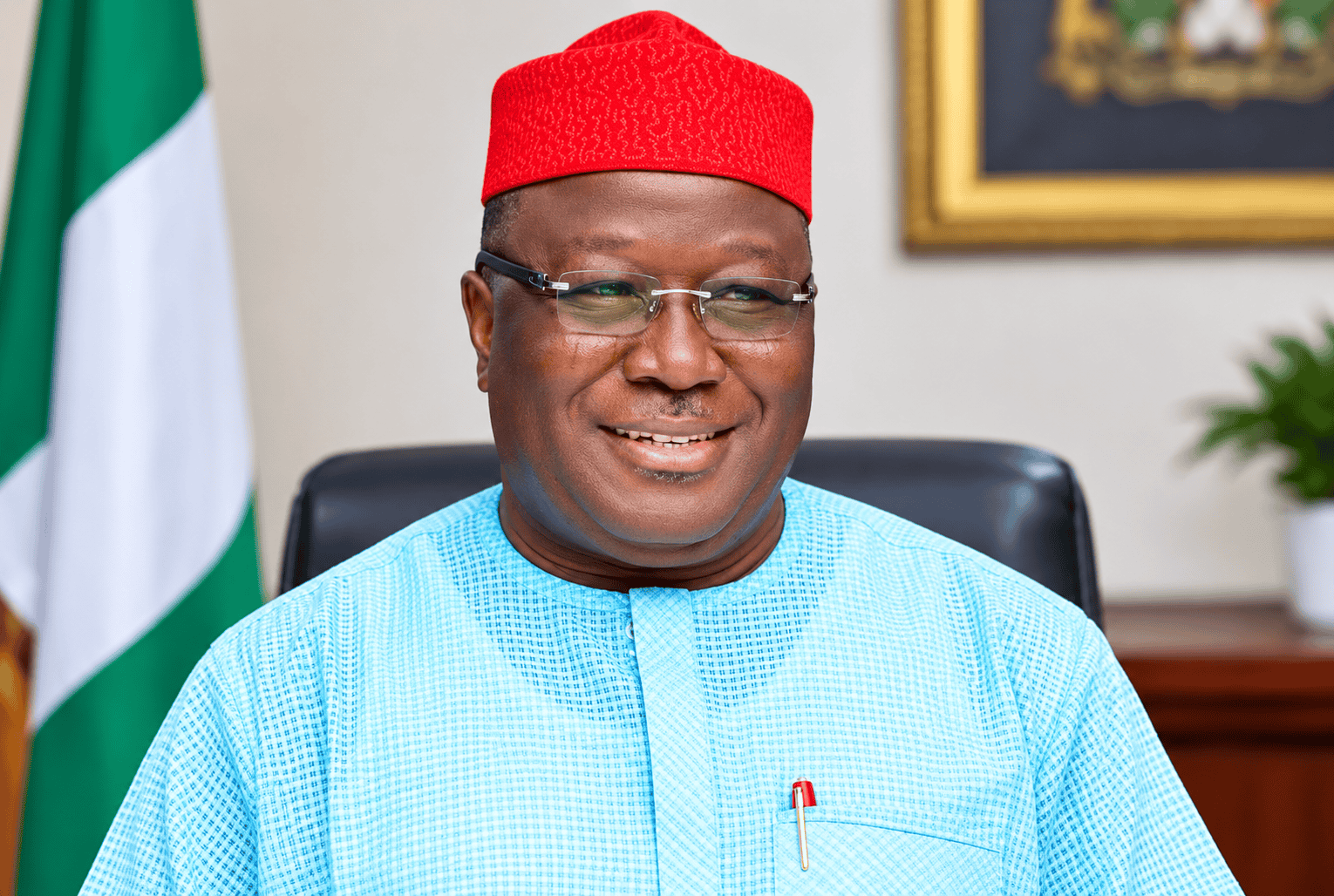
Biography
Widely recognised for his connection with the people of Isoko and the wider Niger Delta region, Ogieh has built a public profile around grassroots development, youth empowerment, community service and political mobilisation.
He is particularly associated with Uzere Kingdom and the Isoko Nation of Delta State, where he has held important community leadership positions and received several traditional titles. He has also served in prominent political and administrative positions, including Chairman of Isoko South Local Government Council and Managing Director/Chief Executive Officer of the Delta State Oil Producing Areas Development Commission (DESOPADEC).
Early Life and Background
Bashorun Askia Ogieh was born on September 12, 1962, in Uweye Community, Uzere Kingdom, Isoko South Local Government Area of Delta State, Nigeria. His early education took him to different parts of Nigeria, including Benin City, Iwo, New Bussa and Oyo. He later attended Uzere Grammar School, where he obtained his West African School Certificate.
His educational and professional development later took him into banking and finance. He studied with the Chartered Institute of Bankers of Nigeria and attended the Federal Polytechnic, Oko, where he obtained a Higher National Diploma in Banking and Finance. Other published profiles also identify additional professional studies in accountancy, management, leadership and related fields.
His academic and professional background in finance played an important role in shaping his approach to administration, accountability and resource management.
Career in Banking and Labour Leadership
Before entering the political arena, Askia Ogieh developed considerable experience in the banking sector. He had earlier worked with the NTA/NTPC in Lagos before pursuing a career in banking. He subsequently spent many years in the financial sector, including service with First Bank of Nigeria Plc, where he rose through the ranks and gained experience in banking administration and management.
His professional life was not limited to banking operations. Ogieh also became involved in labour and trade-union activities. He held various positions within organisations representing workers in broadcasting and financial institutions, including the Radio, Television and Theatre Workers Union and the National Union of Banks, Insurance and Financial Institutions Employees.
These experiences exposed him to organised labour, employee welfare, negotiation, leadership and institutional management. They also helped establish his reputation as someone capable of working with different groups and interests.
Entry into Politics
Bashorun Askia Ogieh's transition from professional banking into politics marked an important stage in his public career.
In 1997, he contested for a seat in the Delta State House of Assembly to represent Isoko South under the platform of the United Nigeria Congress Party during Nigeria's transition period. Around this period, he also founded a grassroots-oriented political organisation known as Hope 97, which was later renamed Hope Alive.
In 1998, he became one of the founding members of the Peoples Democratic Party (PDP) in Delta State. His involvement in grassroots politics subsequently expanded, and he became known for his ability to mobilise supporters and maintain relationships across communities.
His political career eventually led to his emergence as Chairman of Isoko South Local Government Council. His tenure placed him directly in charge of local administration and community development at the grassroots level.
Achievements as Chairman of Isoko South Local Government
One of the notable periods of Ogieh's public career was his tenure as Chairman of Isoko South Local Government Council.
According to published accounts, he assumed office on May 5, 2008, at a time when the local government faced significant developmental challenges, including inadequate rural infrastructure, healthcare needs, poor roads, water supply challenges and youth unemployment.
During his administration, projects and initiatives associated with his tenure included the establishment of a cassava processing factory at Uzere, which was aimed at supporting agriculture and creating employment opportunities for young people. Reports stated that the facility provided opportunities for more than 100 youths at the time and supported local farmers.
Other projects attributed to his administration included the construction and furnishing of Isoko Unity House (Uwo-Okugbe) and the construction and furnishing of the Legislative Arm Complex.
His activities at the local-government level strengthened his reputation as a politician who placed considerable emphasis on grassroots development.
Leadership in Local Government Administration
Ogieh's experience in local government administration also earned him leadership responsibilities beyond Isoko South.
He was elected Delta State Chairman of the Association of Local Governments of Nigeria (ALGON) and subsequently served as a National Vice President of the association. He also became associated with the leadership of the Association of Former Elected Chairmen of Local Governments of Nigeria (AFECLOG).
Through these positions, he participated in discussions concerning local government administration, grassroots governance and the role of councils in national development.
Political and Government Appointments
Over the course of his career, Bashorun Askia Ogieh held several political and government appointments.
He served as Special Adviser on Local Government and Chieftaincy Matters to the Delta State Government under Governor James Ibori and later served as Special Adviser on Government House Matters. He was also appointed a member of the Governing Council of the Federal College of Education, Obudu, by President Goodluck Jonathan.
He was also involved in political campaign organisation and strategy. His responsibilities included serving as Secretary of the Okowa Campaign Organisation and Director of Security and Intelligence Services for the Delta State PDP Gubernatorial Campaign Organisation. He also served in election planning and strategy roles.
These assignments reflected the confidence placed in his organisational ability, political experience and knowledge of grassroots mobilisation.
Leadership of DESOPADEC
One of the most prominent appointments in Bashorun Askia Ogieh's public-sector career was his leadership of the Delta State Oil Producing Areas Development Commission (DESOPADEC).
Following the establishment of a new administration in Delta State in 2015, Ogieh became the Commission's first Executive Director, Finance and Administration under the restructured management. In 2019, he was appointed Managing Director and Chief Executive Officer of DESOPADEC.
DESOPADEC is responsible for development interventions in oil-producing communities across Delta State. During Ogieh's tenure as managing director, the commission was associated with projects and programmes covering infrastructure, education, healthcare, housing, human-capital development, roads, bridges, jetties and other community-focused initiatives.
His leadership at DESOPADEC became one of the major chapters of his career because it combined his experience in finance and administration with his longstanding interest in community development.
Contribution to Youth and Human Capital Development
Youth empowerment has remained an important theme in Bashorun Askia Ogieh's public activities.
His approach to development has frequently emphasised the idea that infrastructure alone is insufficient without investing in the people who live within communities. His activities have therefore included support for youth empowerment, skills development, employment initiatives and educational programmes.
He has also supported initiatives directed at women and young people, particularly through programmes associated with his foundation and community activities. Published profiles have described him as an advocate of self-sustaining employment and human-capital development.
More recently, the Bashorun Askia Foundation Schools Debate Competition has provided an avenue for secondary-school students to participate in intellectual and educational activities. Reports from 2025 show that the competition had reached its sixth season and involved schools from different parts of Delta State.
Philanthropy and Community Service
Beyond government and politics, Ogieh has developed a reputation for philanthropy and community service.
During the COVID-19 pandemic, his foundation was reported to have distributed palliatives to people across the Isoko Nation. Beneficiaries reportedly included market women, artisans, commercial motorcycle and tricycle operators, orphanages, religious organisations and non-indigenes living within Isoko communities.
These activities contributed to his image as a community-oriented leader whose interests extend beyond political office.
His philosophy of service has also been reflected in his involvement with community organisations and traditional institutions. His long association with Uzere and the Isoko Nation has enabled him to maintain a strong connection with grassroots communities.
Traditional Titles and Recognition
Bashorun Askia Ogieh has received numerous traditional titles in recognition of his community service and leadership.
Among his best-known titles is “Udu of Isoko Nation,” with Udu meaning “heart.” The title was reportedly bestowed in recognition of his contributions to human-capital development, youth empowerment, women's empowerment, employment initiatives and infrastructure development among the Isoko people.
He has also been conferred with the traditional title of Bashorun of Aaye-Ekiti, a title traditionally associated with a prominent leader or generalissimo.
Other traditional and community recognitions associated with him include membership of councils of chiefs in several kingdoms and the title Ose-Emo of Enhwe Kingdom.
His traditional recognitions extend beyond the Isoko ethnic group, reflecting his relationships and activities across different parts of Nigeria. He has been described in published profiles as a widely travelled community leader with connections across ethnic and geographical boundaries.
Awards and Honours
Bashorun Askia Ogieh has received several awards and professional honours during his career.
Among the recognitions attributed to him are Justice of the Peace (JP) in Delta State, Paul Harris Fellow (PHF) of Rotary International and Knight of Saint John International (KSJI).
He was also recognised by Vanguard as its 2020 Public Sector Icon of the Year (State). In 2021, Independent Newspapers reported that he received its Public Sector Manager of the Year award at the 2020 Independent Awards.
These recognitions reflect the various dimensions of his career, particularly his work in public administration, community development and leadership.
Leadership Philosophy
A recurring feature of Bashorun Askia Ogieh's public profile is his emphasis on grassroots leadership.
His career demonstrates a progression from professional banking to labour leadership, local government administration, state-level political organisation and public-sector management. Throughout these stages, his activities have frequently centred on connecting government and institutions with ordinary citizens.
His supporters and associates have consequently described him as a grassroots politician, mobiliser and bridge builder. His traditional title of Bashorun has also contributed to the public image of a leader capable of bringing people and communities together.
Personal Life
Bashorun Askia Ogieh is married to Grace Ogieh, and published profiles state that their marriage is blessed with children and grandchildren.
He has maintained an active interest in community affairs, politics, education and human-capital development throughout his public life.
Legacy and Continuing Influence
Bashorun Askia Ogieh's public career represents several decades of involvement in Nigerian professional, political and community life.
From his early years in banking and organised labour to his service as a local government chairman, political strategist, government adviser and DESOPADEC chief executive, his career has been closely connected with administration and grassroots development.
His influence is particularly associated with Uzere Kingdom, Isoko South and the wider Isoko Nation, where his traditional titles and community leadership roles have given him a prominent place in local affairs.
His emphasis on youth empowerment, education, community infrastructure, philanthropy and human-capital development has also formed a significant part of his public identity.
For his supporters, Bashorun Askia Ogieh's greatest legacy is not simply the political positions he has occupied but the relationships he has built across communities and the opportunities he has helped create for people, particularly young people and those in underserved communities.
Conclusion
Bashorun Askia Ogieh remains a notable figure in the political and community history of Delta State. His journey from banking and labour activism to local government leadership, political organisation and senior public-sector administration illustrates a career built across several fields of public service.
Born on September 12, 1962, in Uweye Community of Uzere Kingdom, he has spent much of his public life involved in issues concerning governance, community development and the advancement of the Isoko people.
Through his professional career, political activities, community leadership, philanthropy and educational initiatives, Ogieh has established a public profile centred on service, grassroots mobilisation, empowerment and development.
His traditional recognition as the Bashorun and the Udu of Isoko Nation reflects the esteem in which he has been held by communities and traditional institutions. His career and community activities continue to make him a significant personality in discussions about leadership, grassroots development and public service in Delta State and the Niger Delta region.
Achievements
- Served as Chairman of Isoko South Local Government Council.
- Served as Managing Director/Chief Executive Officer of DESOPADEC.
- Served in various political and government advisory positions in Delta State.
- Played important roles in local government administration and grassroots mobilisation.
- Supported the development of infrastructure and community projects in Isoko communities.
- Promoted youth empowerment, education and human-capital development.
- Established and supported initiatives aimed at improving opportunities for young people.
- Received several traditional titles, awards and honours for leadership and community service.
- Recognised for his role as a political strategist and bridge builder.
- Supported communities through philanthropic activities, including assistance to vulnerable people during the COVID-19 period.
Contribution
Bashorun Askia Ogieh's major contribution has been in the areas of grassroots development, public administration, youth empowerment, education, community service and political leadership.
Through his various public and community roles, he has contributed to the development of rural communities, supported educational initiatives and promoted opportunities for young people. His work with DESOPADEC also placed him in a position to contribute to development programmes across oil-producing communities in Delta State.
His philanthropic activities have further strengthened his connection with local communities, while his involvement in politics and traditional institutions has allowed him to serve as a link between government, community leaders and ordinary citizens.
Overall, his contribution can be described as a commitment to community development, human-capital advancement, grassroots leadership and public service, particularly within Isoko Nation and Delta State.